
External link learning activities allow you to seamlessly integrate content from outside sources into your LearnWorlds courses. Whether you want to direct students to a useful article, a video, or a third-party resource, this feature enables you to enrich your course content and provide a diverse learning experience.
In this guide, we’ll show you how to create an external link learning activity step by step.
Create the external link learning activity
After creating your course and the course sections:
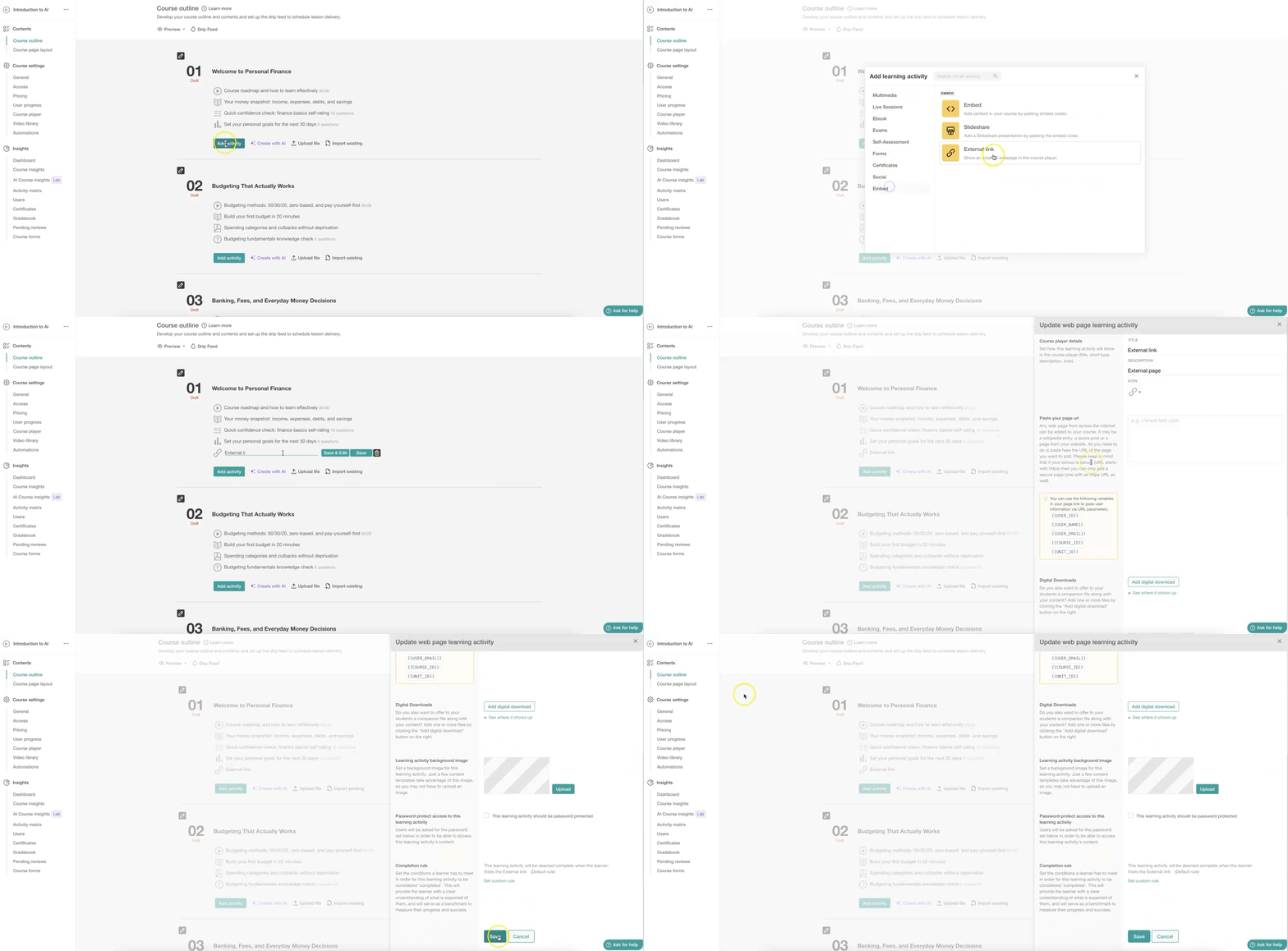
1. Navigate to the Course Manager, locate the desired course, and go to Course outline.
2. Click Add activity.
3. Under the Embed category, select the External link.
4. Give a title to your learning activity and click on Save or Save & Edit.
Paste the page URL
To edit your external page learning activity:
1. Hover over the learning activity and click on Settings (if you have clicked on Save and Edit in the activity creation process, skip this step).
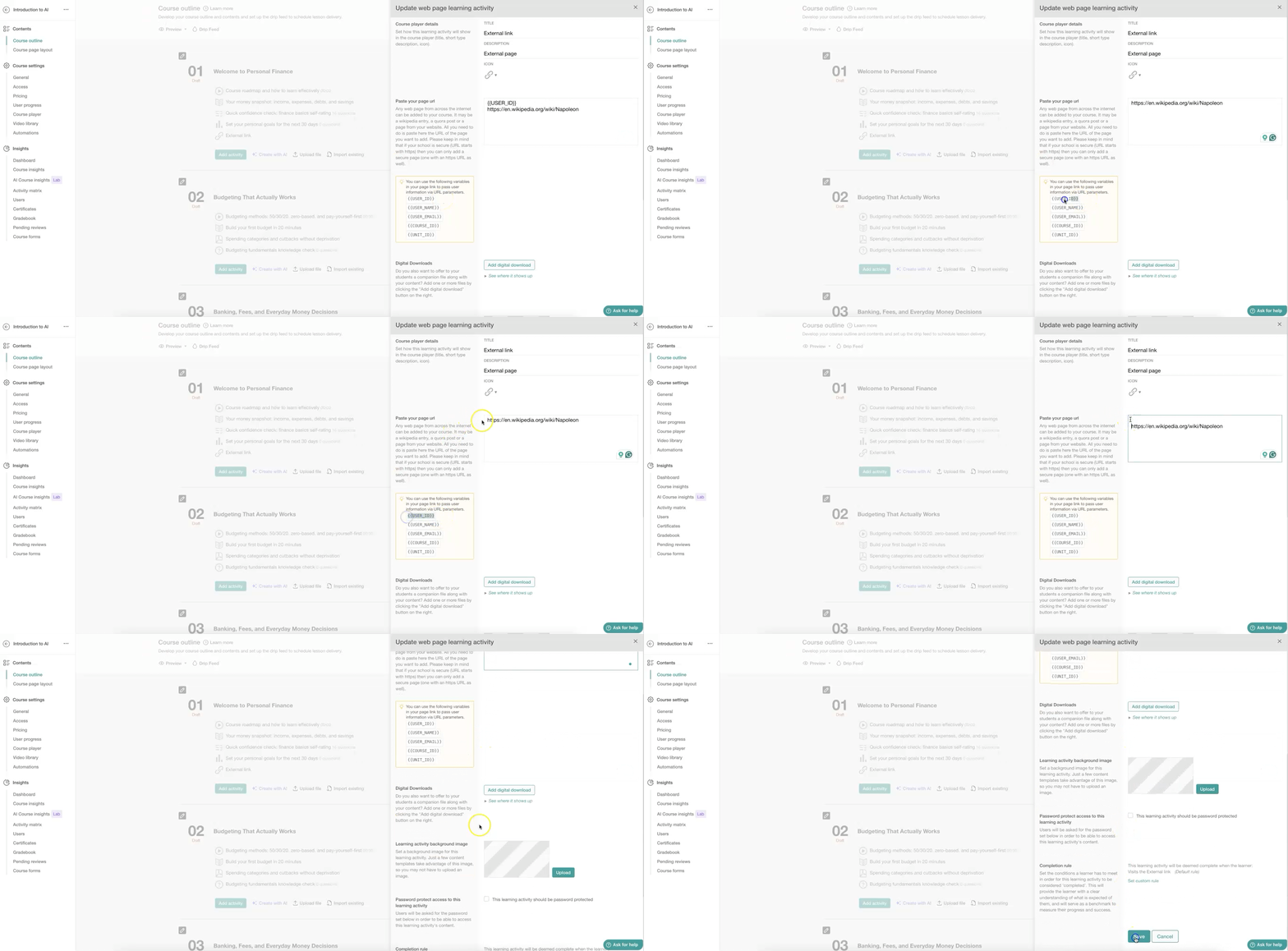
2. Paste the URL of the desired page in the respective field.
3. Click Save.
Variables
The embed activity also supports the use of variables that can be added above or below the relevant code. This enables you to personalize the outcome by showing details such as the user's name, course ID, and additional information.
- {{USER_ID}}
- {{USER_NAME}}
- {{USER_EMAIL}}
- {{COURSE_ID}}
- {{UNIT_ID}}
User Experience
Here is how an external link can appear to your users:

- To insert a page of your school as an external link, you will need to add ?preview=1 at the end of the URL so that it appears as an iframe within the course player.
- Some websites (like Google, Facebook, and multiple other sites) do not allow content from their platforms to be showcased/embedded/displayed on different platforms. In this case, the following message appears as the respective service doesn't allow the reproduction of its content:

- The links you choose to use within your school should start with the https protocol (include the full external link with https://), meaning they must have an SSL certificate installed. If a URL does not have an SSL certificate (http), a suggested workaround is to replace the external link learning activity with an Ebook and add the link as text inside the Ebook for learners to follow.